


Installing backsplash tiles can be a fun and rewarding DIY project that enhances the aesthetics of your kitchen or bathroom. However, several important considerations can impact the final outcome. In this guide, we’ll walk through the key factors to keep in mind before you start your installation.
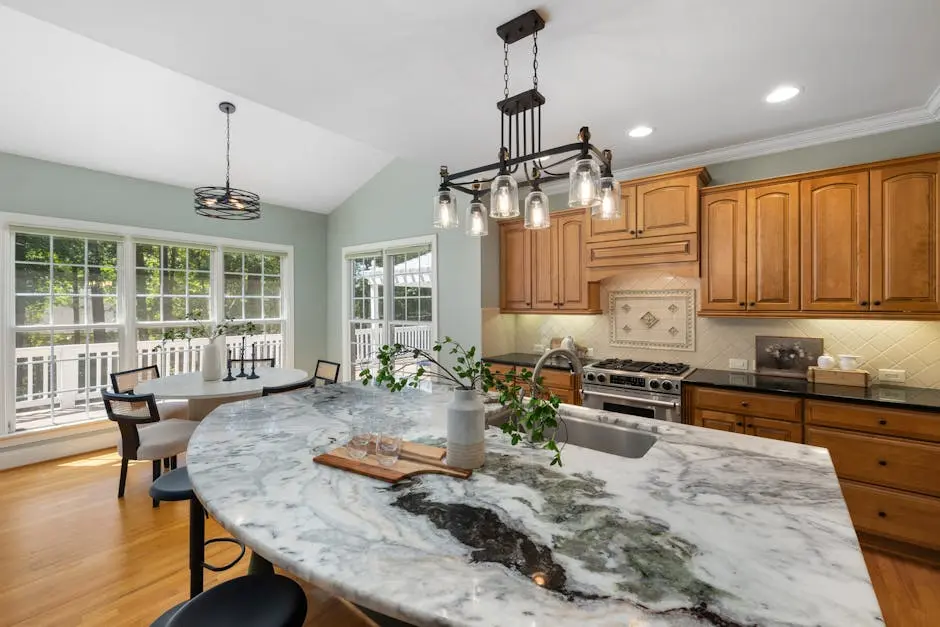
Step 1: Determine Your Design Style
Think about the overall theme of your space. Whether it’s modern, rustic, or traditional, selecting tiles that complement your existing decor is essential.
Visual unity is key! For a cohesive look, consider how your backsplash tiles will pair with cabinets, countertops, and flooring. Choosing complementary colors and patterns will create a harmonious environment.
Don’t hesitate to mix styles! Combining different textures or finishes can result in a striking focal point, as long as it aligns with your design vision. Be adventurous with your selections, and trust your instincts.
Lastly, think about the impression you want to leave. A bold design can define a space, while subtle tones may create an elegant backdrop. Have fun with the creative process; it’s your canvas!
Step 2: Choose the Right Material
Different materials, like ceramic, glass, or natural stone, offer varying aesthetics and durability. Consider where the backsplash will be installed to select the most suitable option.
Ceramic tiles are often a go-to due to their affordability and variety. They come in countless colors and patterns, making them a versatile choice for any decor style. However, if you desire something unique, explore glass tiles. Their reflective properties can brighten up a dark kitchen, offering a premium feel.
For a more rustic look, natural stone is unbeatable. Each piece tells a story with its unique textures and colors. But remember, natural stone may require more upkeep, so weigh the beauty against the maintenance.
Lastly, consider the environment where the tiles will be placed. If moisture is a concern, select tiles with good resistance to water damage. It’s all about balancing aesthetics with practicality!
Step 3: Measure Your Space Accurately
Accurate measurements will help you calculate the number of tiles needed and ensure a precise fit. Don’t forget to account for any outlets or obstacles in the area.
Use a tape measure to carefully record the height and width of the space you’re tiling. Double-check your numbers! A small error can lead to significant consequences down the line.
When calculating, include a percentage for wastage—typically around 10-15%—to account for cuts and breakages. This way, you’ll avoid unnecessary trips to the store when you run out!
Taking time to get the measurements right now will save you headaches later. Mark the locations of any electrical outlets or switches to ensure everything aligns perfectly when you install your backsplash tiles.
Step 4: Consider Installation Methods
Explore different installation techniques, from adhesive applications to grout methods. Understanding these will help you choose the best approach for your skill level.
If you’re a newbie, peel-and-stick tiles can be a fantastic option. They simplify the process significantly, allowing for a less daunting DIY experience. Just make sure your surface is clean and flat.
For those more experienced, traditional mortar and grout setups provide better long-term durability. While this method requires more effort, the end result can be incredibly rewarding and long-lasting.
Don’t forget to read manufacturer instructions! Each product may have specific requirements or tips to ensure a flawless install. The details really do matter when it comes to achieving beautiful results.
Step 5: Think About Maintenance and Cleaning
Some tiles require more upkeep than others. Choose a material that fits your lifestyle and is easy to clean to maintain your backsplash’s appearance over time.
Glass and ceramic tiles are typically easier to maintain, as they can usually be wiped down with mild soap and water. In contrast, grout lines may require more frequent scrubbing—something to keep in mind when you’re making choices.
If you opt for natural stone, remember that you might need to seal it periodically to prevent staining. Always tailor your cleaning regimen to fit your tiles; this will ensure they remain stunning for years to come.
Ultimately, a little planning goes a long way. Select a tile that not only resonates with your design but also fits your lifestyle, ensuring that your backsplash remains a joy rather than a chore.
Final Thoughts on Backsplash Tile Installation
By considering each of these factors, you’ll be better equipped to choose and install backsplash tiles that not only enhance your space but also stand the test of time. Happy tiling!