


Embarking on a bathroom remodel in Simpsonville? One of the most important decisions you’ll make is choosing the right tiles. With so many options available, it can be overwhelming. But don’t worry! We’ve compiled nine essential tips to help you navigate the tile selection process and create a stunning bathroom that reflects your style.
1. Consider Your Bathroom Size
Understanding the dimensions of your bathroom is crucial when selecting tiles. Larger tiles can make a small space appear bigger, while smaller tiles can add texture and detail. If you have a compact bathroom, consider using larger-format tiles on the walls and floors to enhance the feeling of spaciousness. This not only reduces the number of grout lines, which can visually clutter the space, but also contributes to a cleaner and more modern look.
Furthermore, the placement of your tiles can influence the perceived height of your bathroom. Vertical patterns or long rectangles can draw the eye upward, creating an illusion of more height. On the other hand, horizontal tiles can make a wide bathroom feel more balanced—but be careful; too many horizontal lines can make the space feel cramped if not handled thoughtfully.
2. Think About Color Schemes
Choose colors that complement your overall design. Lighter colors can create an airy feel, while darker shades add drama and coziness. A soft color palette can evoke a serene atmosphere, making your bathroom a perfect retreat. Alternatively, incorporating bold or vibrant tiles can serve as an accent that injects personality into the space.
Consider incorporating neutral shades for large areas while highlighting your personality with colorful decor or accessories. Additionally, try to follow color harmony principles; combining colors from the same family can create a cohesive appearance, whereas contrasting colors can be absolutely stunning when executed correctly. Remember, the right colors can greatly influence your mood in the bathroom, setting the tone for relaxation or invigoration.
3. Choose the Right Material
Different materials serve different purposes. Porcelain is durable and water-resistant, making it an excellent choice for moisture-prone areas. Meanwhile, ceramic offers versatility in style and design, allowing for a broader range of artistic expression in your remodel. Think about the specific needs of your bathroom; for example, if you have young children or live in a high-traffic household, a more durable tile material may be necessary to withstand daily wear and tear.
It’s also important to consider the texture and finish. Glossy tiles are visually appealing but can become slippery when wet, so consider matte finishes in areas where slips may happen. Always weigh ease of maintenance against aesthetic appeal—some materials require more upkeep than others, which can be a deal-breaker for busy families.
4. Evaluate Tile Texture
Texture can impact the look and feel of your bathroom. Glossy tiles reflect light and create a sleek appearance, which can enhance the sense of space. On the other hand, matte tiles offer a more rustic vibe and can make a more traditional space feel cozier. It’s essential to match the texture of your tiles with the overall theme of your bathroom. A beach-style bathroom may benefit from sandy, textured tiles, while a contemporary space might shine with smooth finishes.
Moreover, textured tiles can provide added grip, which is especially valuable in wet areas. Consider your lifestyle when evaluating texture, as tiles that are easier to clean might be beneficial for busy households, while a more intricate texture may appeal to those who appreciate aesthetics over ease of maintenance.
5. Incorporate Patterns Wisely
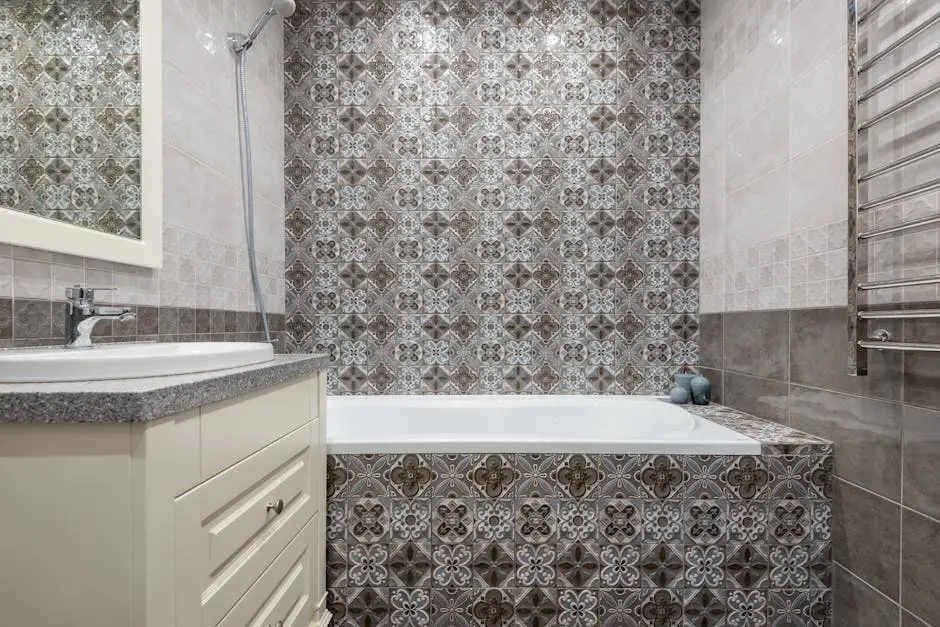
Patterns can add interest and personality to your bathroom. Use them strategically, perhaps as an accent wall or in flooring to create a focal point without overwhelming the space. If you’re considering patterned tiles, think about them as art; they can serve as beautiful standalone statements or as part of a larger design scheme. When balancing patterns with solid colors, ensure that the overall look remains harmonious and does not compete for attention.
Mixing patterns can also be done effectively. Just be careful to choose complementary designs that enhance rather than clash with each other. For example, pairing geometric tiles with floral designs can yield stunning results, but make sure their color schemes gel. Remember, your bathroom’s primary role is to be a space of relaxation—too much chaos may create the opposite effect!
6. Don’t Forget About Grout
Grout color and width can greatly affect the overall look of your tiling. A well-chosen grout can enhance or detract from your tile choice, so choose wisely! Lighter grout can brighten a space and draw attention to the tile, while darker grout can provide a dramatic contrast, emphasizing the tiles’ shapes and designs. It’s a small detail but often overlooked until it’s too late, so prioritize grout as a crucial design element.
Consider also the width of the grout lines. Thin grout lines create a sleek, modern appearance, while wider lines can add charm and give a more vintage look. Ensure that your grout choice aligns with your overall bathroom design and remain consistent throughout the space for a polished finish.
7. Think Function Over Aesthetics
While aesthetics are important, never sacrifice function. Ensure that your tile choices are practical for a wet environment and safe to walk on. Slip-resistant tiles should be a priority in shower areas and near bathtubs, where water is likely to make the floors slippery. Beyond safety, consider the texture of the tile and its ease of cleaning. Some tiles may look stunning but require more maintenance than you’re willing to commit to.
Similarly, be aware of thermal properties; tiles that retain warmth can be welcoming, especially in colder climates. Thus, think through the daily habits of your family, your cleaning preferences, and even the traffic the bathroom sees. A balance between style and functionality will yield the best long-term results.
8. Budget Accordingly
Bathroom remodeling can get pricey, so set a budget before you start shopping for tiles. This helps narrow down your options and keeps your project manageable. Establishing a budget allows you to assess what’s feasible without sacrificing quality for cost. Be sure to allocate funds for both materials and labor; quality tiles can provide longevity, while budget tiles may require replacements sooner than you’d like.
Don’t forget to factor in additional expenses, such as grout and sealant, along with any potential design fees if you plan on hiring a professional. Keep in mind that sometimes investing a bit more upfront can save money in the long run, so think strategically about where to cut costs.
9. Seek Professional Advice if Needed
If you’re feeling uncertain about your choices, don’t hesitate to consult with a designer or contractor. Their expertise can provide valuable insights tailored to your vision. They can help you navigate everything from tile size and material selection to color schemes that complement your overall bathroom design. Plus, their experience with different products can help prevent costly mistakes.
Even if you’re leaning toward a DIY approach, getting a second opinion can solidify your choices and inspire confidence in your decisions. A professional can also help you understand the nuances of tile installation and upkeep, providing you with knowledge that can save you time and effort during your remodel.