


Creating a custom shower can be an exciting project, and choosing the right materials is key to achieving both functionality and style. Whether you’re looking for durability, aesthetics, or easy maintenance, the materials you select will play a crucial role. Let’s explore the best options for custom showers that suit different needs and tastes.
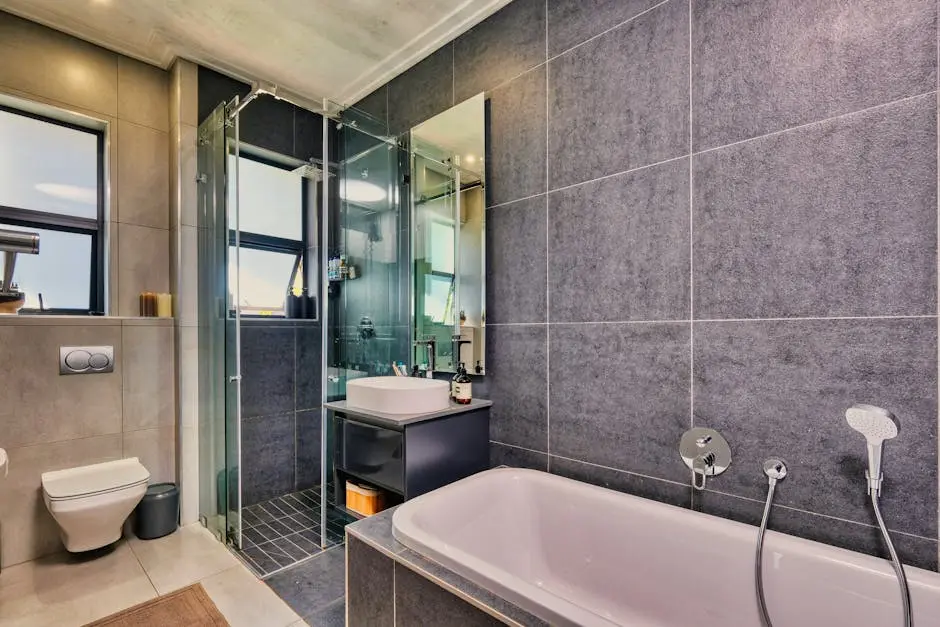
Step 1: Consider Tile Options
Tiles, such as ceramic, porcelain, or natural stone, offer a wide range of designs and finishes, making them a popular choice for custom showers.
Ceramic tiles, for instance, are highly versatile and come in an array of colors and patterns. They are also known for their affordability, making them accessible for budget-conscious homeowners.
On the other hand, porcelain tiles are denser and less porous, providing better durability and water resistance. This makes them a fantastic option for high-traffic shower areas.
Natural stone tiles, like travertine and marble, bring an elegant touch. However, their maintenance can be a bit more demanding, as they may require sealing to prevent stains.
Ultimately, the choice of tile should reflect both your aesthetic preferences and your lifestyle needs. Consider how much time you want to invest in upkeep versus the look you aim to achieve in your custom shower.
Step 2: Evaluate Acrylic and Fiberglass
Acrylic and fiberglass are lightweight, easy to install, and come in various styles, providing a practical option for many homeowners.
One of the biggest advantages of acrylic is its resistance to chipping and cracking, which makes it ideal for families or high-use bathrooms. It also retains heat, providing a warm shower experience, especially during cold months.
Fiberglass, while similar, is often praised for its smooth surface, which makes cleaning a breeze. It tends to be more cost-effective, but it’s crucial to ensure good quality to avoid fading and wear over time.
Both materials are available in a range of colors and finishes, allowing you to customize your shower to your personal taste. When choosing between the two, consider factors such as budget, durability, and installation preferences.
Step 3: Explore Natural Stone
Natural stones like granite, marble, and slate bring a luxurious look, but require more maintenance. Their unique patterns add a special touch.
Granite, known for its durability, resists scratches and heat, making it a wise choice for a long-lasting shower. However, it can be on the pricier side, which might require some budgeting.
Marble offers a timeless elegance with its unique veining, but it’s worth noting that it can be more susceptible to staining and etching. Regular sealing is essential to keeping marble looking pristine.
Slate is another beautiful option that offers natural slip resistance, making it practical for wet surfaces. Its earthy tones can harmonize well with various bathroom designs.
When considering natural stone, weigh the aesthetic appeal against the maintenance commitment. A stunning stone shower can be a centerpiece of your bathroom, but understanding the care involved is crucial.
Step 4: Consider Glass Enclosures
Glass enclosures make your shower feel more open and can enhance the overall aesthetic. They can be framed or frameless, depending on your style.
Framed glass enclosures tend to be more affordable and can work well in traditional designs. On the other hand, frameless options provide a sleek and modern look, creating a seamless feel in your shower space.
Beyond aesthetics, glass enclosures offer practical benefits. They help keep water contained while providing an unobstructed view of your tile work or shower features. However, maintaining clarity through regular cleaning is essential.
When choosing glass, consider the thickness and quality of the material. Tempered glass is typically the best option for safety and durability, ensuring that your investment stands the test of time.
Step 5: Don’t Forget About Grout and Sealants
Choosing the right grout and sealants is essential for durability and water resistance. Opt for high-quality options to prevent moisture damage.
Epoxy grout is a fantastic choice due to its stain-resistance and durability. It’s great for areas exposed to a lot of moisture, making it ideal for custom showers.
Additionally, ensure your sealants are suitable for the materials you’ve chosen. For instance, natural stone requires a specific sealant to maintain its beauty and integrity over time.
Investing some extra thought into these elements can save you money and frustration down the road. Proper maintenance techniques will keep your custom shower looking beautiful for years to come.
Final Thoughts on Custom Shower Materials
In summary, the right materials for custom showers not only enhance the appearance of your space but also contribute to its durability and functionality. Each material has its unique benefits, so consider your lifestyle, budget, and design goals before making a decision. With the right choices, your custom shower can become a stunning focal point in your home.