


Choosing the perfect backsplash tiles for your kitchen can elevate your space from ordinary to extraordinary. With countless options available, it can be overwhelming to decide which tiles suit your style and needs. This guide breaks down the key steps to help you make an informed decision and create a captivating kitchen environment.
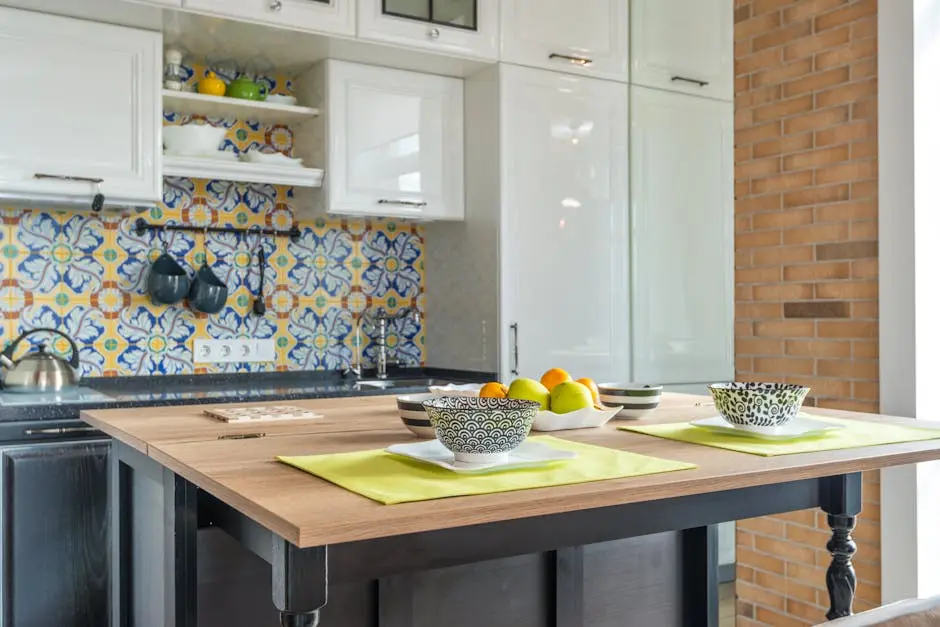
Step 1: Define Your Style
Identify the overall style of your kitchen, whether it’s modern, rustic, or traditional. Understanding your aesthetic can guide your tile choices.
Consider how the backsplash will complement existing elements. A farmhouse kitchen might benefit from classic subway tiles, while a contemporary space might call for sleek, geometric designs.
Don’t forget to think about the overall vibe you want to create. A bright and airy kitchen may shine with light-colored tiles, while a cozy, warm atmosphere might lean towards earthy tones.
Research different design inspirations online or in magazines. Sometimes a discovery of a particular style can spark the right idea for your own kitchen.
Step 2: Consider Tile Materials
Explore various materials like ceramic, glass, and stone. Each has unique properties that affect durability and maintenance.
Ceramic tiles are known for their affordability and versatility. They come in numerous colors and patterns, making them a popular choice.
If elegance is your goal, consider glass tiles. They reflect light beautifully, adding brightness, but do require more careful handling.
Natural stone, while stunning, needs regular sealing to prevent staining. Think about the upkeep you’re ready to commit to before deciding.
Ultimately, the material you choose should be a balance between aesthetics and practicality. Take time to feel the textures and visualize how they would look in your kitchen.
Step 3: Choose the Right Size and Layout
Think about the size of the tiles and how they will be laid out. Larger tiles can create a seamless look, while smaller tiles can add intricate designs.
Mosaic tiles, though tiny, can provide amazing opportunities for creativity. You can form patterns that stand out and tell a story.
Consider also the height of your backsplash; an eye-catching arrangement can stretch from the countertops to the cabinets or even the ceiling for a dramatic effect.
Don’t forget about grout lines, which can either enhance or detract from the look. Think strategically about the layout as this can significantly influence your kitchen’s overall aesthetic.
Step 4: Play with Color and Texture
Select colors that complement your cabinets and countertops. Don’t shy away from texture to add depth and interest to your backsplash.
Bold colors can make a statement; however, if your kitchen is already vibrant, a more subdued palette may provide the balance you’re after.
Experimenting with matte versus glossy finishes can dramatically change how light interacts with your backsplash. Glossy tiles create a brighter aura, while matte can offer a softer touch.
Remember that texture isn’t just visual; it also adds a tactile element that can make your kitchen feel more inviting.
Step 5: Sample and Visualize
Always get samples to see how tiles look in your space with different lighting. Visualizing the final outcome will help ensure you make the right choice.
Place sample tiles on your counters and look at them throughout the day as the light changes. This can profoundly affect your color perception.
Sometimes, what looks good in a store doesn’t translate well to your home. Testing your selections helps avoid costly mistakes later.
Don’t hesitate to take your time. The perfect backsplash tiles will enhance your kitchen’s character and make it feel like home.
In Summary
Selecting the right backsplash tiles is not just about aesthetics; it’s also about functionality and maintenance. By considering your style, material, size, color, and texture, you can find the perfect tiles to enhance your kitchen. Don’t rush the process—take your time to choose tiles that truly reflect your personal style.